
 040 375 4245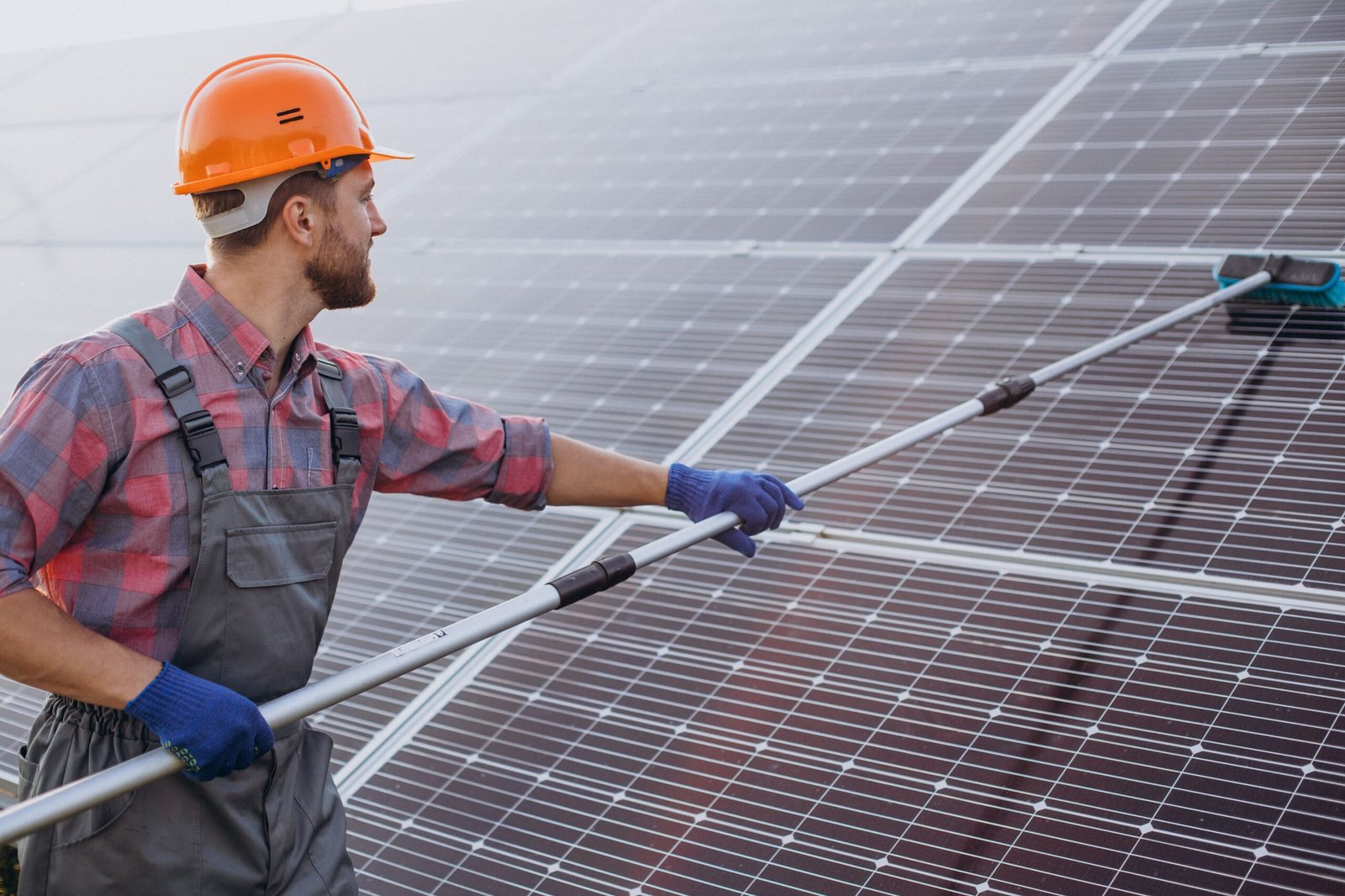
Solar panels are a critical investment and asset for homeowners and businesses. To ensure they deliver their best possible performance over their lifespan, regular cleaning and maintenance are essential. Over time, dust, bird droppings, pollen, tree debris, air pollution and other grime can build up and reduce energy output. Knowing how, when, and safely with what to clean is key.
Why Clean Solar Panels?
Efficiency Losses from Dirt & Debris
Even a thin film of dust or grime can block sunlight reaching the photovoltaic (PV) cells underneath the glass layer. Studies and industry experience show that soiling can reduce panel efficiency by anywhere from 5 % to 20 % or more, depending on region, climate, and how dirty the panels are.
In dryer, dusty regions (or near construction sites, roadways, or industrial zones), accumulation is faster. In coastal or marine environments, salt spray or fine sea mist can form a sticky residue that further reduces output.
Hot Spots and Damage Risks
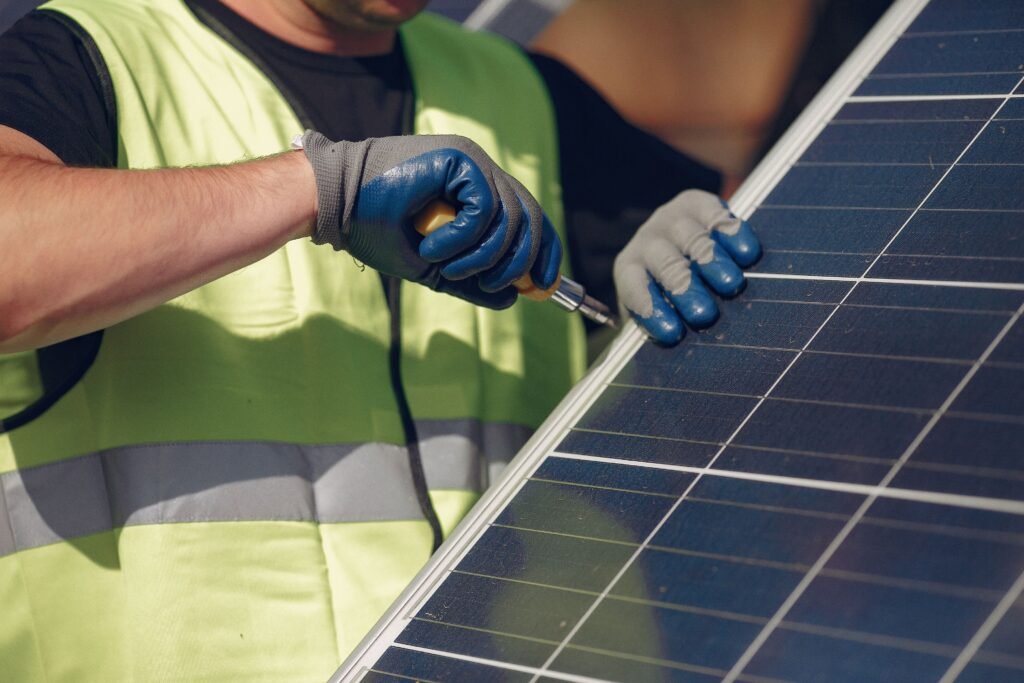
When part of a panel is shaded or blocked by dirt, that area may absorb heat and cause hot spots, which accelerate aging or even lead to microcracks. Over time, these effects can shorten the life of modules.
Return on Investment (ROI)
Your solar system is designed to pay itself back via energy production. If panels underperform due to dirt, your payback time lengthens. Regular cleaning helps you preserve optimal output and preserve ROI. Warranty & Maintenance Best Practices
Many manufacturers or warranty providers expect some level of maintenance or cleaning over time. Neglecting cleaning (or worse, using damaging methods) might void warranties. Also, combining cleaning with inspections helps you detect damage, loose connections, or inverter issues early.
How Often Should You clean solar panels?
There is no one-size-fits-all answer — the cleaning frequency depends on your location, local climate, angle of panels, pollution levels, and other factors.
Here is a practical guideline:
- Baseline: Clean every 6 months (twice a year) is a good starting point in many Australian climates.
- Arid / dusty / high-pollution areas: Clean every 3 to 4 months or more often.
- Near trees, bird-heavy areas, coastal zones: Increase frequency—e.g. quarterly or after seasons when leaves/droppings accumulate.
- Following dust storms, bushfire smoke, or extreme weather events: Perform an extra cleaning as soon as safe. Ash or soot can cause heavy soiling.
- After long dry periods / summer droughts: Panels may benefit from more frequent rinsing.
Tip: Monitor your inverter’s production graph. If output drops disproportionately relative to seasonal expectations (sunlight, temperature), dirty panels might be the culprit.
Safety First
clean solar panels involves heights, water, and electrical components — safety must be your top priority.
Key Safety Guidelines
- Never climb onto a roof without proper safety gear. Use a harness, fall arrest system, or staging.
- Turn off the system / isolate DC circuit if your panel design allows. Always consult the PV system’s shutdown instructions.
- Choose a cool, calm time (morning or evening). Avoid cleaning under direct midday sun; hot panels plus cool water can cause thermal stress.
- Use non-slip shoes and be cautious of slippery surfaces. Wet roofs become dangerous.
- Avoid contact with electrical junction boxes, wiring or inverter gear while wet.
- Never lean or stand on the panels themselves. They are strong but not load-bearing for human weight.
- If access is difficult or roof pitch steep, hire professionals.
In Victoria’s official solar maintenance guide, they explicitly warn: “Solar panel cleaners should use full safety gear and not stand on or place anything on top of the panels.
Tools & Materials You’ll Need
Here is a list of recommended tools and supplies for safe, effective clean solar panels:
Tools & Materials You’ll Need to clean solar panels
Here is a list of recommended tools and supplies for safe, effective clean solar panels:
| Item | Description / Recommendations |
|---|---|
| Garden hose with low-pressure nozzle or spray | Use gentle flow to rinse — do not use high-pressure washers. |
| Soft, non-abrasive brush, squeegee or sponge | Use a soft-bristle brush or microfiber sponge — avoid stiff brushes or scourers. |
| Bucket | For mixing soap / cleaning solution. |
| Mild, biodegradable, non-abrasive detergent | A gentle dishwashing liquid typically works well; avoid harsh chemicals or acids. |
| Optional: Vinegar / water solution | For stubborn stains, some cleaners recommend diluted vinegar + water. |
| Long-handled extension or telescopic pole | Allows cleaning from ground level where possible, reducing need to climb. |
| Soft cloth or microfibre towel | For gentle wiping or drying edges. |
| Safety harness, stable ladder or scaffolding | For safe access to the roof. |
| Inspection tools | Flashlight, basic electrical tester (for wiring, junction box inspection). |
Step-by-Step clean solar panels Procedure (DIY Method)
Here is a recommended process for clean solar panels yourself, when conditions allow:
- Wait for cool conditions
clean solar panels early morning or late afternoon, when panels are cool to touch, avoiding thermal shock. - Shut down or isolate system (if possible)
Turn off or safely isolate circuits to minimize risk of electrical hazard. - Remove loose debris (dry brushing)
Use a soft brush to gently sweep away leaves, twigs, bird nests, or dust before applying water. - Pre-rinse with clean water
Using low-pressure spray, rinse the panel surfaces to soften dust and dirt. - Apply mild soapy solution
In a bucket, mix a few drops of mild detergent with water. With a soft sponge or brush, lightly scrub the surface in horizontal strokes. Do not press hard. - Rinse thoroughly
Use clean water to wash off all soap residue. Ensure no suds or streaks remain. - Dry edges or puddles (optional)
Use a soft squeegee or microfiber cloth to remove water from edges or corners. Avoid rubbing the glass surface harshly. - Inspect for damage
After clean solar panels, visually inspect for cracks, chips, discoloration, delamination, loose wiring or connectors. Note any anomalies for repair or professional attention. - Restore power / reinstate system
Once dry and safe, turn system back on (if you shut it down).
If performance does not recover as expected, or if you observe damage, call a qualified solar technician.
What Not to Do (Mistakes to Avoid)
Avoiding damaging practices is as important as cleaning itself. Here are common mistakes to avoid:
- Never use high-pressure washers or power washers — they can crack the glass, dislodge parts, or void warranties.
- Avoid abrasive materials — stiff brushes, scourers, metal tools, or rough sponges can scratch the glass.
- Do not use harsh chemical cleaners, acids or ammonia-based cleaners — these can damage glass, coatings, and seals.
- Avoid cleaning on very hot, sunny days — water may evaporate too quickly, leaving streaks or thermal shock.
- Don’t climb onto panels — stepping on or leaning over panels can damage them.
- Don’t stand or place tools on panels — avoid placing anything heavy on the glass.
- Don’t neglect safety — many accidents come from slipping, roof falls, or water + electricity hazards.
- Don’t ignore manufacturer guidelines or warranty rules — always check what cleaning practices the panel manufacturer recommends or prohibits.
DIY vs Professional Cleaning – Which Should You Choose?
When DIY Makes Sense
- Panels are low-rise and easily accessible.
- You have safe, stable roof access and proper safety gear.
- Soiling is light to moderate (dust, light dirt), not heavy bird droppings or industrial grime.
- You are comfortable with basic tasks and inspections.
DIY saves cost and helps you maintain more control. But always be cautious.
When to Hire a Professional
You should definitely consider hiring a professional solar cleaning service if:
- Your roof is steep or multi-storey, making access risky.
- Soiling is heavy, sticky, or contains stubborn residues (e.g. bird droppings, tree sap, salt spray).
- You want a full inspection, performance diagnostics, and warranty-safe servicing.
- You lack the time, tools, or confidence to do a thorough cleaning.
- Cleaning via DIY doesn’t restore expected energy performance.
A professional service has trained staff, specialized equipment (soft brushes, purified water systems, safe access rigs), and appropriate insurance to prevent damage.
Special Considerations for South Australia & Local Conditions
Because PEACE ELECTRICAL & SOLAR operates in South Australia, it’s worth discussing regional factors that affect cleaning needs.
- Dry climate, dust storms, and wind-blown grit
Many parts of SA experience dry, dusty periods and occasional wind-blown soil, which accelerates panel soiling. More frequent cleaning is often necessary in rural, semi-rural, or exposed locations. - Bushfire smoke and ash
During bushfire seasons, ash and soot can settle on panels and be sticky or abrasive. You should clean soon after such events to prevent damage or performance loss. - Coastal zones & salt spray
In coastal regions of SA (e.g. Fleurieu Peninsula, Yorke Peninsula, coastal Adelaide), salt-laden sea spray can form a slick residue. Regular rinsing with clean water helps reduce salt deposition. - Birds, fauna, and tree proximity
If your panels are near trees or in bird-populated areas, droppings, nesting material, or leaves may accumulate. More frequent spot-cleaning may help. - Seasonal timing
In hot summer months, clean early mornings or evenings when panels are cooler. In winter or rainy periods, nature may do part of the cleaning for you. - Monitoring & performance tracking
Use performance data from your inverter or monitoring system. If your panel yield declines more than expected, schedule a cleaning or inspection.
Frequently Asked Questions (FAQ)
Q: Do I need to turn off the solar system before clean solar panels?
A: It’s safer to isolate or switch off if possible (check your system’s manual). But many DIY cleanings just use low water pressure and avoid areas around wiring or junctions. Always prioritize safety.
Q: Can I use a pressure washer to clean solar panels?
A: No. High-pressure water can damage glass, frame seals, or internal cells, and may void warranties. Use gentle spray only.
Q: Will rain clean my panels enough?
A: Rain helps with light dust, but often won’t remove sticky grime, bird droppings, or residue. It’s a good baseline but not a substitute for occasional manual cleaning.
Q: Will cleaning improve energy output much?
A: It depends. In many cases improvements may be modest — 2-10 %. In particularly dirty areas or after heavy soiling, gains can be higher.
Q: Does cleaning void my warranty?
A: Not if done properly. But improper cleaning (abrasive methods, harsh chemicals, pressure washers, stepping on panels) can damage them and potentially void warranties. Always check your manufacturer’s terms.
Q: How do I choose a solar cleaning service?
A: Look for companies experienced in solar panels (not just window cleaning), proper insurance, non-abrasive methods, use of purified water systems, and transparent pricing. Ask for references and scope of work.
Why Choose PEACE ELECTRICAL & SOLAR for Your Cleaning?
- We operate in South Australia, understand local climatic and environmental conditions.
- Fully equipped, trained, and insured to safely clean rooftop solar systems.
- Use gentle, non-abrasive cleaning methods (soft brushes, purified water, safe detergents).
- Combine cleaning with full system inspection: checking inverters, wiring, junctions, and panel integrity.
- Competitive and transparent pricing.
- Commitment to customer satisfaction and optimizing your system’s performance.
📞 Call us at 040-375-4245 for a no-obligation quote or to schedule a cleaning/maintenance visit in South Australia.
Conclusion
Maintaining clean solar panels is a relatively small commitment with potentially significant returns in efficiency, longevity, and energy savings. By following safe practices, using gentle cleaning methods, and monitoring system performance, you can keep your panels delivering near-peak output. In high-risk situations or hard-to-reach installations, professional cleaning is often the wiser choice.
PEACE ELECTRICAL & SOLAR is ready to help you in South Australia — whether you want guidance, DIY support, or full service clean solar panels. Contact us at 040 375 4245 and let us ensure your solar investment works at its best for years to come.