
 040 375 4245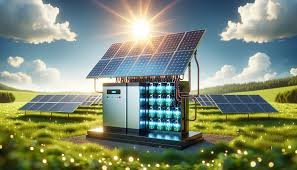
It is a common misconception in South Australia: you’ve invested thousands in a high-quality solar system, so when the next big Adelaide storm hits and the neighborhood goes dark, your lights should stay on, right?
Wrong.
For the vast majority of solar owners in SA, a blackout means total darkness—even if the sun is shining brightly. In this guide, we’ll explain why this happens and how you can achieve true backup power in South Australia using modern solar battery technology.
The “Anti-Islanding” Problem: Why Solar Shuts Off
By law, every grid-connected solar system in Australia must include a safety feature called Anti-Islanding.
When the grid goes down, your inverter detects the loss of power and immediately shuts down your solar panels. This is a crucial safety requirement to protect SA Power Networks technicians who might be working on the lines. If your panels kept pumping electricity into the grid during a repair, it could be fatal for those workers.
Without a specialized setup, your solar panels are essentially “useless” the moment the grid fails.
How a Solar Battery Provides Blackout Protection in Adelaide
To keep your home running when the grid is dead, you need more than just panels; you need a system capable of “islanding”—creating a tiny, self-sufficient power grid just for your home.
1. The Role of the Hybrid Inverter
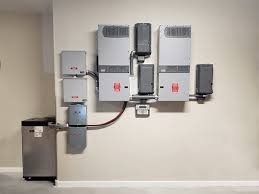
A standard inverter only knows how to talk to the grid. A Hybrid Inverter or a system with an Emergency Power Supply (EPS) gateway can physically disconnect your home from the street and divert your solar energy into your battery and appliances instead.
2. UPS Solar: Instant Switching
For homes with sensitive electronics or home offices, UPS solar (Uninterruptible Power Supply) functionality is a game-changer. High-end batteries like the Tesla Powerwall 3 or Sungrow SBR can switch to backup mode in less than 20 milliseconds. This is so fast that your desktop computer won’t even flicker, and your Wi-Fi will stay connected.
Partial vs. Full Home Backup: What’s Best for SA?
In South Australia’s harsh weather, you need to decide what stays on when the power goes out.
- Partial Backup (Essential Loads): This is the most common setup in Adelaide. We wire a dedicated “backup circuit” that powers your fridge, a few lights, your Wi-Fi router, and phone chargers. This ensures your battery lasts as long as possible.
- Full Home Backup: This allows you to run everything, including high-load appliances like air conditioners or electric ovens. However, this requires a much larger battery capacity and a powerful inverter to handle the “surge” of starting up heavy motors.
Can You Recharge During a Blackout?
This is where blackout protection in Adelaide gets interesting.
- Standard Backup: Some older battery systems only let you use what is already in the battery. Once it’s empty, you’re in the dark.
- Blackout Recharging: Advanced systems allow your solar panels to continue charging the battery even while the grid is down. This means if a storm causes a multi-day outage (like we often see in the Adelaide Hills), you can stay powered indefinitely as long as there is some daylight.
Why Blackout Protection is Critical for South Australia in 2026
With our state’s transition to a renewable-heavy grid and the increasing frequency of extreme weather events, the grid is under more pressure than ever.
- Storm Resilience: Be the only house on the street with the lights on during the next winter gale.
- Medical Peace of Mind: Essential for homes that rely on CPAP machines or refrigerated medication.
- Food Security: Avoid losing hundreds of dollars in spoiled groceries when the fridge turns off for 12 hours.
Frequently Asked Questions (FAQs)
Q: Do all solar batteries come with blackout protection? No. Some “budget” batteries are designed only for “solar shifting” (saving money at night) and do not have the hardware to provide backup power. Always check if the system is “backup ready.”
Q: How long will my battery last during a blackout? A typical 10kWh battery can run a fridge, lights, and Wi-Fi for about 15–20 hours. If you are careful with your usage, it can last much longer—especially if your panels recharge it the next morning.
Q: Is “UPS Solar” the same as a computer UPS? Similar, but much more powerful. A computer UPS only lasts for minutes. A UPS solar system can keep your entire home’s essential electronics running for days.
Don’t Get Left in the Dark
If you want to ensure your family is protected during the next South Australian power outage, you need a system designed for resilience.
[Get a Free Quote for a Blackout-Ready Solar System Today!]
Read More