
 040 375 4245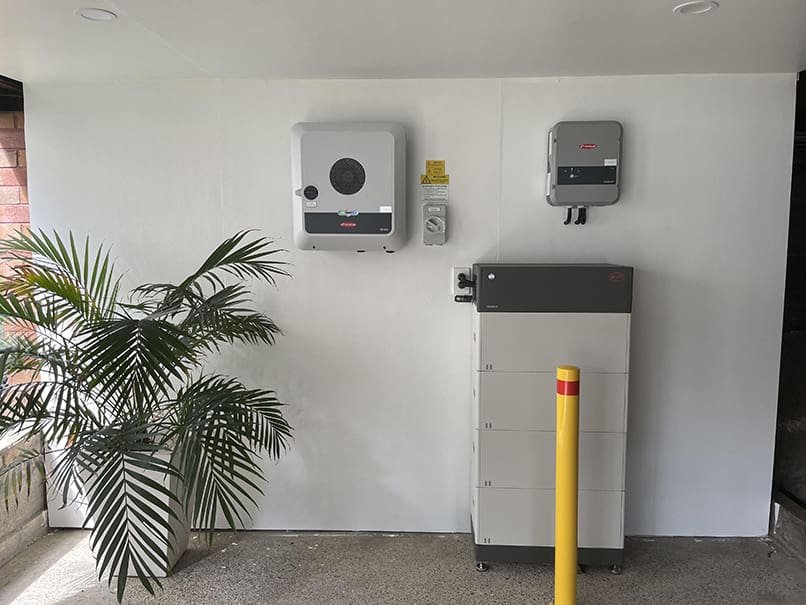
Why Solar Batteries Hit Different in South Australia
SA has strong rooftop solar uptake, which means daytime generation can be plentiful while evening demand remains expensive and unavoidable. A battery solves the core problem: you store more of your daytime solar and use it later, instead of exporting during the day and buying back from the grid at night.
It’s also worth understanding the SA grid context:
- SA Power Networks offers Flexible Exports in eligible areas, where export limits can adjust dynamically based on local network conditions.
- For new and upgrading customers in Flexible Exports eligible areas, there may be a choice between fixed export limits (for example, 0 kW or 1.5 kW per phase) or Flexible Exports, depending on what’s available at your address.
Translation: a battery can protect your savings from export constraints and help you get more value from the solar you already have.
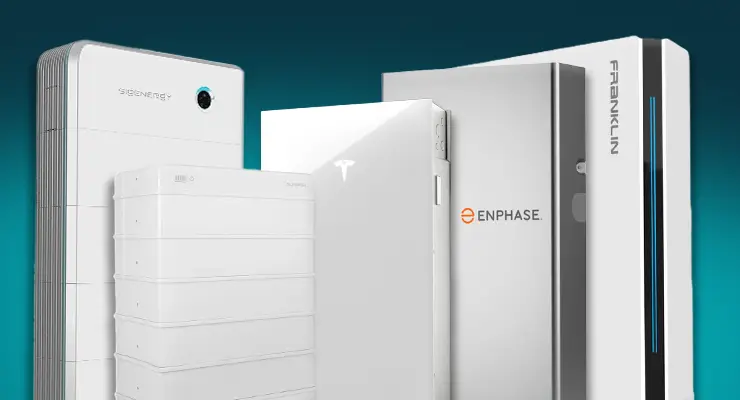
How Solar Batteries Actually Save You Money
A battery does not magically make every home’s bill disappear. What it does is increase self-consumption.
You get the best value when:
- You export a lot of solar during the day (because nobody’s home, or the system is oversized)
- You use a lot of energy after sunset (cooking, heating/cooling, family routines)
- You can shift flexible loads into daytime (hot water, dishwasher, laundry)
You get less value when:
- Your daytime usage is already high, and you already self-consume most of your solar
- Your night usage is low
- Your solar system is small and barely covers daytime demand
A good installer will show you the “why” based on your bill and usage pattern, not just push the biggest battery.
Rebates and the Federal Battery Discount in 2026
Australia’s federal Cheaper Home Batteries Program supports eligible battery systems through STCs under the Small-scale Renewable Energy Scheme, with eligibility tied to the date the system is considered “installed.”
Key points that matter for homeowners:
- Battery systems installed on or after 1 July 2025 can be eligible, subject to requirements. The program treats “installed” as the date a certificate of electrical compliance is issued (or state/territory equivalent).
- The official program page confirms changes coming into effect on 1 May 2026.
- The Clean Energy Regulator states eligible solar batteries must be between 5 kWh and 100 kWh nominal capacity, and STCs can only be claimed for the first 50 kWh of usable capacity.
Practical takeaway: if you’re planning a large battery, the incentive structure matters. For most homes, “right-sized” beats “oversized.”
Also, only use approved products. The Clean Energy Council maintains an approved batteries list and notes that networks and rebate programs can require batteries from this list.
Solar Batteries Sizing: What Size Battery Do You Actually Need?
Sizing is where most people either waste money or leave value on the table.
Step 1: Identify your nighttime usage
Your evening and overnight kWh is the battery’s job. The easiest way to estimate:
- Look at your bill data if it shows a time-of-use breakdown
- Or use your smart meter data through your retailer app
- Or do a simple household review: aircon usage, cooking habits, heating, pool pump timings
Step 2: Match battery usable capacity to your goal
Most households should decide which of these they’re buying:
- Bill reduction (self-consumption focus)
You want to cover the consistent evening loads. - Bill reduction + backup essentials
You want the battery to power selected circuits in an outage. - High demand coverage (EV-ready or heavy air conditioner use)
This is the most expensive path and needs careful design.
Step 3: Do not size without checking export settings and solar output
If your exports are limited or you’re on Flexible Exports, you may store more during the day because exports are constrained at certain times. That changes the ideal battery size and how you schedule loads.
Battery Upgrade for Existing Solar: The 3 Upgrade Pathways
If you already have solar, you can usually upgrade with one of these architectures.
1) Add-on battery that integrates with your existing setup
Common when the current solar inverter is still in good shape and compatible with the battery solution.
2) Hybrid inverter upgrade plus battery
Best when your inverter is older or incompatible, or you want a cleaner long-term system design.
3) Rebuild for performance and storage
Used when the existing system has compliance issues, poor workmanship, or persistent faults, and you’re better off fixing the foundation before adding storage.
What a premium quote! includes:
- Inverter model compatibility check
- switchboard condition check
- proposed battery location and cable route plan
- clear option to include backup circuits or stay grid-tied only
Backup Power: What Batteries Can and Can’t Do
Backup is not automatic. Some batteries can provide backup capability, but it depends on system design and switchboard configuration.
A professional “backup essentials” setup usually covers:
- fridge
- lights
- internet
- key power points
Whole-home backup is possible in some designs, but it’s not the default, and it’s not the cheapest route. A good installer will tell you the truth about what your battery can support and for how long, based on your loads.
South Australia Export Limits and Why Batteries Can Be the Smarter Next Step
If you’re thinking, “Should I just add more panels?” here’s the SA reality: export settings can change the value of extra generation.
- Flexible Exports adjusts export limits based on network capacity and your inverter’s maximum capacity.
- SA Power Networks notes that new and upgrading customers in eligible areas may be offered fixed export options or flexible exports, and systems need to be configured to stay within site export limits.
This is one of the biggest reasons a battery upgrade often outperforms “more panels” for households that are already exporting heavily.
Installation Quality: The Compliance Stuff That Protects You
Battery installs have more compliance detail than basic solar, and 2026 adds another layer.
New photo evidence requirements from 1 March 2026
The Clean Energy Regulator’s guidance says that from 1 March 2026, installers must take clear, geotagged, and timestamped photos of critical labeling for every solar battery installation, in addition to existing on-site verification photos.
Why you should care as a homeowner:
- It pushes the industry toward safer, correctly labelled installs
- It reduces the risk of paperwork delays and claim issues when STCs are involved
- It’s a sign you want an installer with clean processes, not shortcuts
What a Premium Solar Battery Quote Should Include
If your quote is missing these, it’s not a serious quote.
- Battery model and usable capacity (not just “kWh” marketing)
- Warranty summary (product and workmanship)
- Inverter compatibility statement (keep, add-on, or replace)
- Switchboard works clearly listed (included vs provisional)
- Export setup assumptions (fixed vs flexible where relevant)
- Backup option explained in plain language (if requested)
- Monitoring app and handover included
- Compliance documentation included
FAQs
Are solar batteries worth it in South Australia?
They can be, especially if you export a lot during the day and buy significant power at night. The best results come from proper sizing and system configuration that prioritizes self-consumption.
Can I add a battery to my existing solar system?
In many cases, yes. The pathway depends on your inverter model, switchboard condition, and what you want the battery to do (storage-only vs backup). An assessment should confirm compatibility before quoting.
What battery sizes are eligible for the federal discount?
The Clean Energy Regulator states eligible solar batteries must be between 5 kWh and 100 kWh nominal capacity, and STCs can only be claimed for the first 50 kWh of usable capacity.
What changes on 1 May 2026?
The federal program page confirms changes take effect 1 May 2026. If you’re planning a system, your installer should explain what this means for your specific battery size and STC outcomes.
Do I automatically get backup power in a blackout?
Not automatically. Backup requires the right battery capability and the right electrical design, often with dedicated essential circuits.
Get a Free Quote: Solar Batteries in South Australia
If you want this done clean and premium, we’ll review your current solar setup (or your roof plan if you’re starting fresh), confirm export settings, and recommend battery options that match your usage and goals.
[Get a Free Quote for a Blackout-Ready Solar System Today!]
Peace Electrical & Solar
Email: sales@peaceelectrical.com.au
Phone: 040 375 4245