
 040 375 4245
Introduction to Solar Energy and Home Power
Switching to solar energy has become more than just a trend—it’s a smart investment for homeowners worldwide. With rising electricity costs and the push for greener solutions, solar panels give families a way to save money and reduce their carbon footprint. But with so many solar panel types and brands available, the big question remains: which one is best for your home?
Main Types of Solar Panels
Monocrystalline Panels
These are the most common and efficient solar panels, recognized by their sleek black design.
Advantages
- High efficiency (18–24%)
- Space-saving—ideal for smaller rooftops
- Long lifespan (25+ years)
Drawbacks
- More expensive than other options
Polycrystalline Panels
Often blue in color, polycrystalline panels are cost-effective but slightly less efficient.
Advantages
- Affordable option
- Decent efficiency (15–18%)
- Widely available
Drawbacks
- Lower efficiency than monocrystalline
- Requires more roof space
Thin-Film Panels
Thin, lightweight, and flexible—these panels are a newer option for certain households.
Advantages
- Lightweight and portable
- Performs better in low-light conditions
- Aesthetic flexibility
Drawbacks
- Lower efficiency (10–13%)
- Shorter lifespan than crystalline panels
Factors to Consider Before Choosing Solar Panels
When picking solar panels, don’t just focus on the brand. Think about:
- Energy efficiency: Higher efficiency panels generate more electricity.
- Roof space: Limited space requires high-efficiency panels like monocrystalline.
- Cost: Polycrystalline and thin-film are cheaper but less efficient.
- Durability: Some panels last longer than others.
- Climate: Some brands perform better in hot, humid, or low-light regions.
Top Solar Panel Brands for Homes
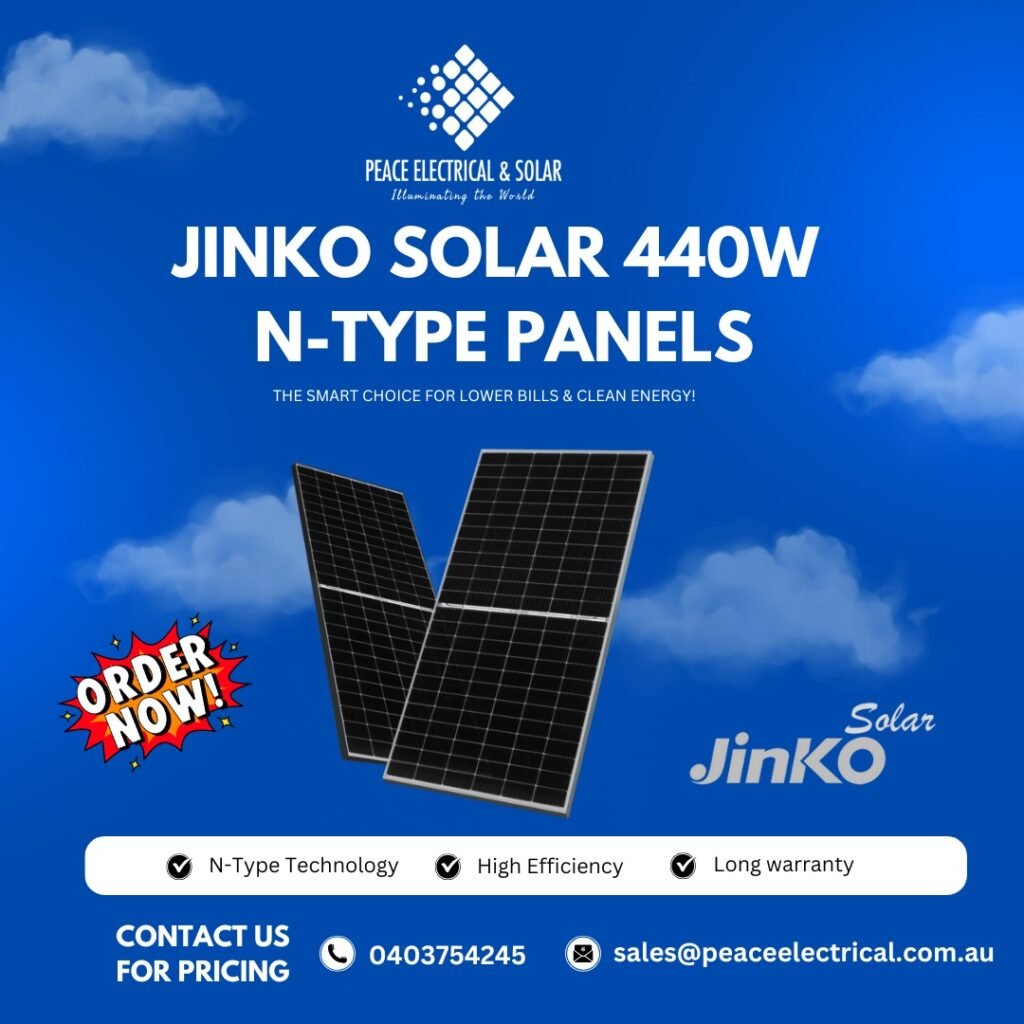
Jinko Solar Panels
- Features: High-efficiency monocrystalline panels with cutting-edge technology.
- Pros: Reliable, durable, and widely used worldwide.
- Cons: Premium price compared to smaller brands.
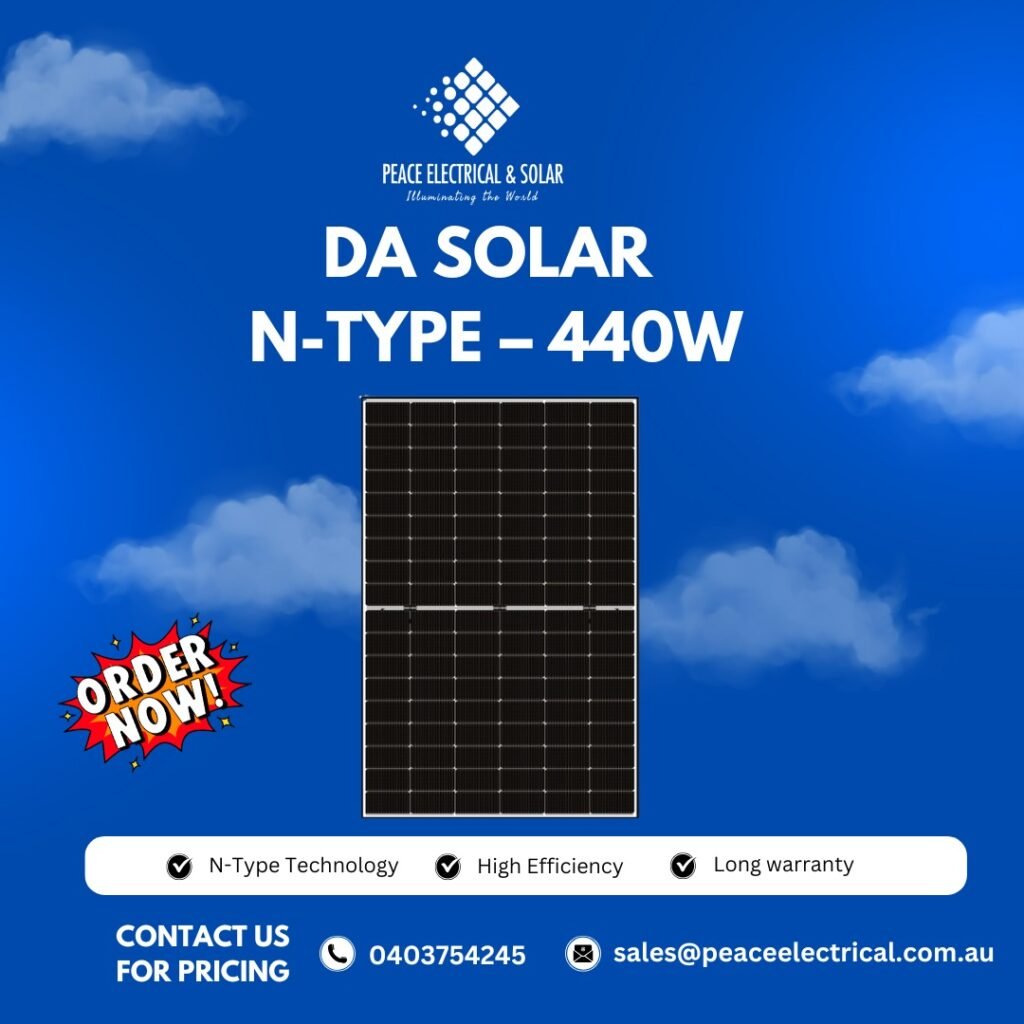
DASolar Panels
- Features: Balanced efficiency with affordable pricing.
- Pros: Great for budget-conscious homeowners.
- Cons: May not match premium brands in durability.
Risen Solar Panels
- Features: Excellent energy output with strong warranties.
- Pros: Affordable without compromising too much on quality.
- Cons: Slightly less efficient in extreme climates.
Longi Solar Panels
- Features: Known for advanced monocrystalline technology.
- Pros: High efficiency and great performance under low-light conditions.
- Cons: Slightly higher cost but worth the performance.
JA Solar Panels
- Features: Popular across residential and commercial projects.
- Pros: Good balance of efficiency and affordability.
- Cons: May not be as advanced as Longi or Jinko.
Eging Solar Panels
- Features: Emerging brand with competitive pricing.
- Pros: Affordable entry-level option.
- Cons: Less recognized globally, so availability and support may vary.
Comparing Popular Solar Panel Brands
Efficiency Comparison
- Jinko & Longi: 20–23%
- JA Solar: 18–21%
- Risen: 17–20%
- DASolar & Eging: 15–18%


Price Comparison
- Budget-friendly: Eging, DASolar
- Mid-range: Risen, JA Solar
- Premium: Jinko, Longi
Warranty & Reliability
- Jinko & Longi: 25+ years
- JA Solar: 20–25 years
- Risen: 20 years
- DASolar & Eging: 15–20 years
Which Solar Panel is Best for Your Home?
- Small rooftops: Jinko or Longi (high efficiency, space-saving)
- Budget-friendly: DASolar or Eging
- Long-term durability: Jinko or Longi
- Hot/sunny regions: JA Solar and Risen perform well
The Installation Process
Installing solar panels is not just about placing them on the roof—it’s a full strategy.
- Site assessment: Professionals check roof condition, angle, and shading.
- Placement strategy: Panels are positioned for maximum sunlight exposure.
- Installation: Professional installers ensure safety and efficiency (DIY is not recommended for large systems).
Maintenance and Care of Solar Panels
- Cleaning: Remove dust and debris regularly.
- Monitoring: Track performance through apps or inverter systems.
- Longevity: Routine maintenance extends lifespan.
Government Incentives and Rebates
Going solar is even easier with financial support:
- Tax credits: Many governments offer deductions.
- Local subsidies: State and city rebates lower upfront costs.
- Net metering: Sell excess energy back to the grid.
Future of Solar Panel Technology
Solar tech is evolving fast. Expect:
- Smart solar panels: Integrated with AI monitoring.
- Bifacial technology: Captures sunlight from both sides.
- Battery storage integration: Pairing panels with storage solutions like Tesla Powerwall.
Conclusion
Choosing the right solar panel depends on your budget, roof size, and long-term goals. Jinko and Longi are best if efficiency and reliability are top priorities. JA Solar and Risen offer balance, while DASolar and Eging serve as affordable entry-level options. No matter which you choose, going solar is an investment in both your future savings and the planet’s well-being.
FAQs
Q1: How long do solar panels last?
Most high-quality panels last 25–30 years with proper maintenance.
Q2: Can I mix different solar panel brands?
It’s possible, but not recommended due to efficiency and warranty mismatches.
Q3: Are premium solar panels worth it?
Yes, especially if you have limited roof space or want long-term savings.
Q4: How do I know what size system I need?
Your energy bill and roof size determine the system capacity. A professional assessment is best.
Q5: Do solar panels work during cloudy days?
Yes, but output is reduced compared to sunny conditions.